How to save money on groceries:
9 steps that add up
A practical, UK-friendly guide to cutting your weekly food shop: plan meals, compare unit prices, waste less and keep more of your budget.
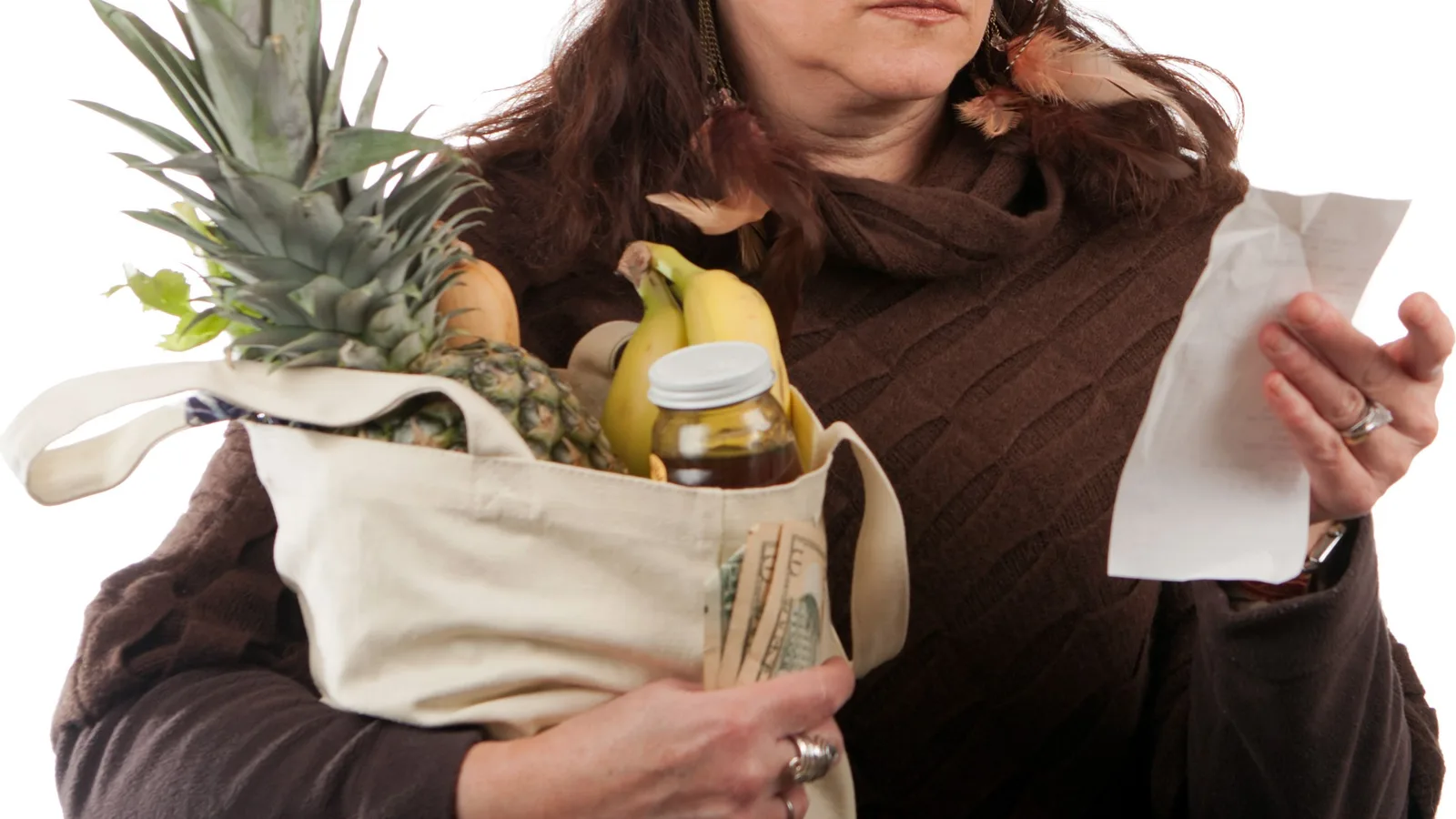
The short answer
The biggest grocery savings rarely come from one clever coupon. They come from buying less of what you will not use, planning meals before you shop and comparing the price you pay per unit rather than the price on the pack. Start with your next weekly shop: check what you already have, set a realistic amount for food, write a list from a simple meal plan and shop once rather than topping up through the week.
Work on waste first, then on price. A cheaper item that ends up in the bin is not a saving, and a larger pack is only better value if you will use it all.
Before you start
You do not need an elaborate system. Gather a few basics before you change your shop:
- Your last two or three grocery receipts, or your banking app, so you can see what a normal week actually costs.
- Ten minutes with the fridge, freezer and cupboards: note what needs using first.
- A rough meal plan for the week, built around those ingredients.
- A calculator or phone for unit prices, your shopping list and a reusable bag.
Nine steps to a cheaper weekly shop
-
1.
Take stock before you write anything
Pull out anything in the fridge that needs eating, check the freezer for meat, fish, bread or leftovers, and look at the cupboard staples you already have. This stops you buying a second jar of something you own and gives you the start of a meal plan.
-
2.
Set a weekly food budget you can keep to
Look at recent spending, choose an amount for food and basic household items, and keep it separate from takeaway or eating-out money. A budget that is too tight usually fails by midweek and leads to a bigger top-up shop later.
-
3.
Plan five to seven simple meals, not a fantasy menu
Use the ingredients you found first, then add the fresh items you need. Repeat breakfasts and lunches, and leave one night for leftovers or a freezer meal. Fewer ingredients used across several meals means less waste.
-
4.
Write the list in the order you walk round your usual supermarket
Group chilled, fresh, cupboard and frozen items so you are less likely to double back or add extras. Put quantities next to each item, especially for fruit, vegetables and meat.
-
5.
Compare unit prices, not pack prices
The shelf label usually shows price per 100g, per kilogram or per litre. The bigger pack is not automatically better value, and a multibuy is only cheaper if you will use every item before it goes off.
-
6.
Choose cheaper forms of the same food where it makes no difference
Frozen vegetables and fruit, tinned pulses and cheaper cuts can stretch further than ready-prepared versions. Own-brand staples such as rice, pasta, oats and tinned tomatoes are worth comparing with branded equivalents.
-
7.
Do one main shop and resist top-up trips
Small convenience shops and daily 'just nipping in' trips are where budgets leak. If you need milk or bread midweek, add it to the next list rather than browsing the aisles.
-
8.
Use loyalty prices and coupons only for things already on your list
Check the app or leaflet before you go, then ignore offers that would change your plan. A deal on something you did not need is still spending, not saving.
-
9.
Review the receipt and move the difference
At the end of the week, note what you did not use and what you spent. Put any saving into a separate pot so it does not get absorbed into the next shop.
Make a meal plan that survives a busy week
A good meal plan is not a strict timetable. It is a short list of meals you can cook with what you have, plus a few flexible fallbacks for the nights when plans change.
- Plan at least one use-it-up meal each week: soup, pasta bake, rice bowl or a tray of roasted vegetables with whatever needs eating.
- Cook once and portion twice: stews, curries, soups and roasted vegetables can be cooled quickly, chilled and eaten later or frozen.
- Keep a short list of meals your household actually eats. A new recipe every night sounds good but often leaves half-used ingredients.
Shop smarter in the aisles
- Check the unit price on the shelf label, not just the pack price. It is usually shown per 100g, per kilogram or per litre.
- Look across the whole shelf. The cheapest option is not always at eye level, and the same product can be sold in several pack sizes.
- Read the small print on multibuys. 'Buy one, get one free' can be good value if you will use both; it is expensive if the second item goes stale.
- Check your receipt before you leave the till. Scanning errors and unexpected offers are easier to fix while you are still in the shop.
What commonly goes wrong
- Planning too many new recipes. Fix it by repeating three familiar meals and adding one new dish at most.
- Buying fresh produce in bulk. Fix it by buying smaller amounts, choosing frozen for items you often waste, and storing what you buy correctly.
- Treating loyalty points as free money. Fix it by counting only the discount that reduces the price of something already on your list.
- Setting a budget before you know your real spend. Fix it by tracking two normal weeks first, then setting a figure you can keep to.
- Skipping the list because you know the shop. Fix it by keeping a running list on your phone and adding items as they run out.
Keep the savings going
Once the first week works, make the system repeatable. Keep a running list, do a ten-minute review before each shop and check your banking app once a month. The aim is not to be perfect; it is to stop paying for food you throw away.
Staying safe and avoiding false savings
Watch for false savings too: a multibuy that upgrades you to a larger pack you did not need, a loyalty offer that requires a minimum spend, or a 'reduced' item that replaces nothing on your list. If money is very tight, contact a local advice service or food bank rather than skipping meals.
Common questions
Is it cheaper to shop online or in person?
It can be either. Online shopping helps if you stick to a list and avoid delivery charges or minimum baskets. In-person shopping lets you check unit prices and reduced items directly. Compare the final total, including fees and substitutions, rather than assuming one is always cheaper.
Do supermarket loyalty schemes really reduce grocery bills?
Only when the discount applies to something you were going to buy. Points and personalised offers can be useful, but they are designed to increase visits and basket size. Judge the scheme by your final total, not by the points balance.
How can I cut grocery costs this week without a big routine?
Do one shop from a list based on what is already in your kitchen, plan three evening meals and set a limit for the week. Then review the receipt and note what you did not use.
Should I buy fresh or frozen vegetables?
Frozen vegetables are often cheaper per portion and create less waste because you use only what you need. Fresh is worth buying when you will eat it within a few days or it is in season and good value.
How do I stop top-up shopping?
Keep a running list and do one main shop a week. If you run out of a staple, write it down and buy it next time, or keep a small shelf of long-life basics so you are not tempted to browse.
Related articles

How to get a loan:
compare first and borrow safely
Work out what you can repay, check your credit file, use eligibility checks and compare the total cost before you apply for a loan.

How to budget and save
money: a realistic 5-step plan
Work out what you really spend each month, set a budget you can stick to, and build a savings habit that survives real life in the UK.

How to cancel car
insurance: 6 steps to do it right
How to cancel car insurance in the UK: check the fee, line up new cover, confirm the end date in writing, and get your refund and no-claims proof.